 Natural. Authentic.
Regenerative. Distinctly APT.
Natural. Authentic.Winter is often when people become most aware of changes in their skin. Makeup doesn’t sit the same. Skincare products feel less effective. The skin looks dull, rough, or uneven no matter how much moisturizer is applied. One of the most common concerns we hear during the colder months is uneven skin texture — a catch-all term that describes skin that no longer feels smooth, refined, or balanced.
Uneven skin texture can show up as rough patches, dry flakes, visible pores, small bumps, or a generally dull and tired appearance. While it can happen year-round, winter creates the perfect conditions for texture issues to worsen. Cold outdoor air, dry indoor heating, reduced humidity, and slower skin cell turnover all contribute to changes at the skin’s surface.
Understanding why uneven skin texture becomes more noticeable in winter — and knowing which treatments actually help — is the first step toward restoring smoother, healthier-looking skin.
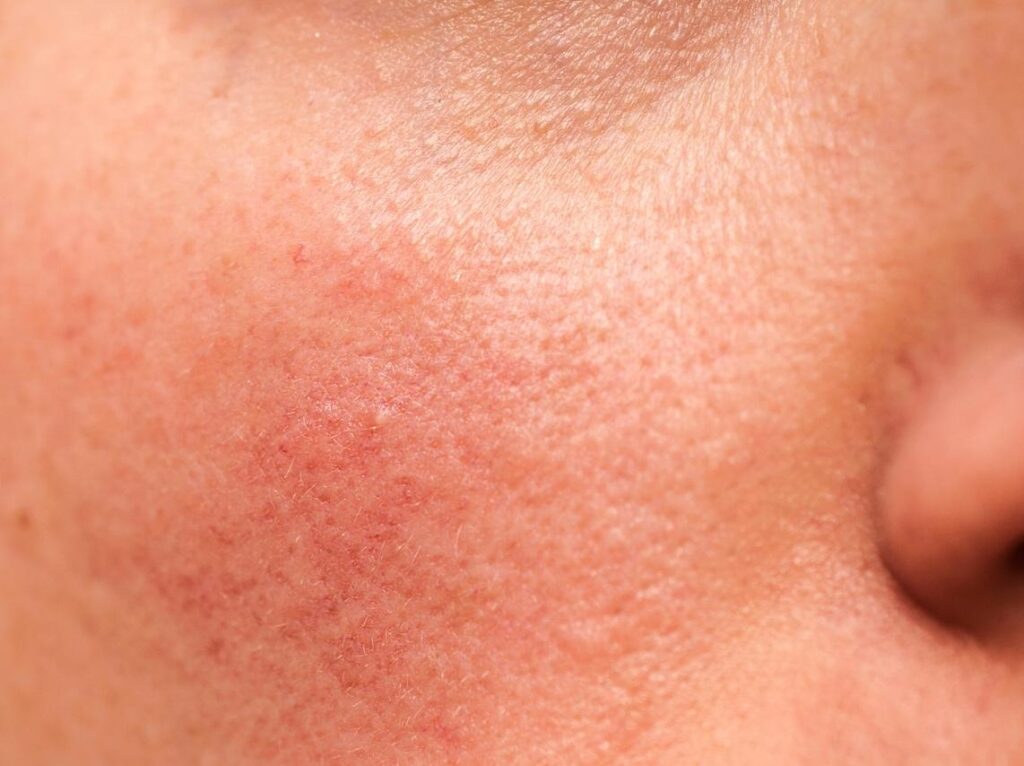
Skin texture refers to the surface quality of the skin — how smooth it looks, how even it feels, and how well light reflects off it. When skin is healthy and well-balanced, it feels soft, looks luminous, and has a uniform appearance. When something disrupts that balance, texture becomes uneven.
All images used under license from Canva. © APT Medical Aesthetics, 2026. All rights reserved.
Uneven skin texture can be caused by:
During winter, many of these factors occur at the same time, which is why texture issues often feel more stubborn and harder to correct with skincare alone.
Texture concerns are also closely tied to dullness. When dead skin cells sit on the surface, they scatter light unevenly, making the skin appear flat and tired. If your skin feels rough and also lacks radiance, it may help to understand why dullness and uneven texture tend to appear together during winter, which we explain further in this in-depth look at why skin looks tired and dull in colder months.
Winter affects the skin in several ways that directly contribute to rough or uneven texture.
Cold air holds less moisture than warm air. When humidity drops, water evaporates from the skin more quickly, leaving it dehydrated and vulnerable. This dehydration causes the outer layer of skin to become rough, flaky, and uneven.
Indoor heating compounds the issue by further drying the air. Even people with normally balanced or oily skin may notice texture changes once heating systems are running full-time.
Skin naturally sheds dead cells and replaces them with new ones. In winter, this process slows down. Dead cells remain on the surface longer, leading to a buildup that makes the skin feel rough and look dull.
This slowdown is one of the biggest contributors to uneven skin texture during the colder months and is why exfoliation — when done correctly — becomes more important in winter.
The skin barrier is responsible for locking in hydration and protecting against irritants. Cold temperatures, wind, and dry air can disrupt this barrier, making it harder for the skin to retain moisture.
When the barrier is compromised, the skin becomes more sensitive, more dehydrated, and more prone to roughness. Supporting barrier health is a major focus of winter skincare, which we outline in our winter skincare essentials guide focused on barrier repair and hydration.
All images used under license from Canva. © APT Medical Aesthetics, 2026. All rights reserved.
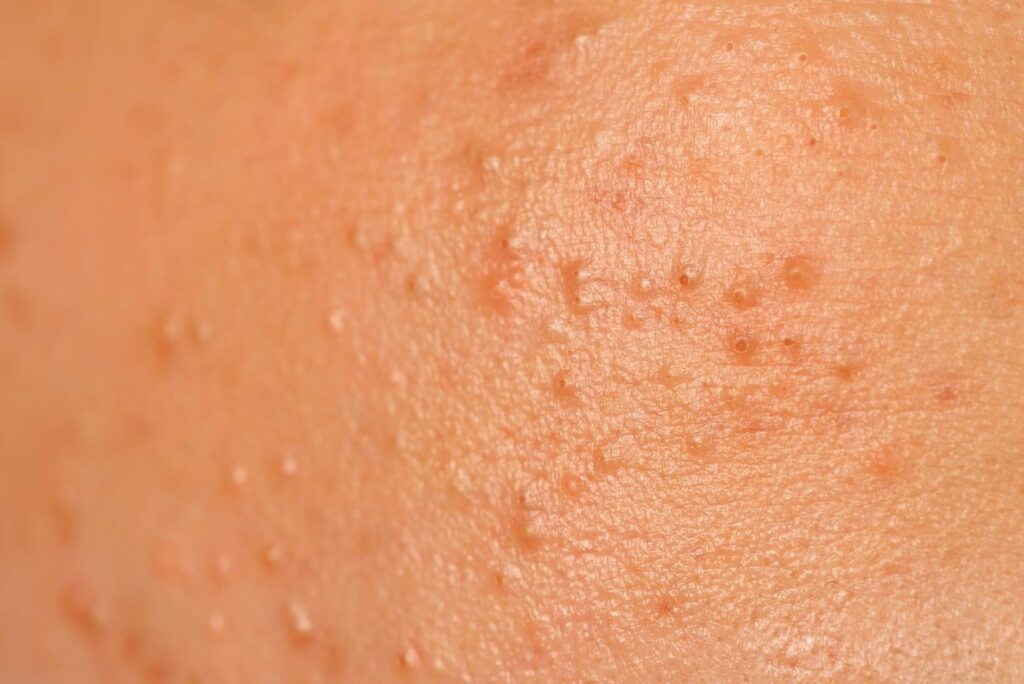
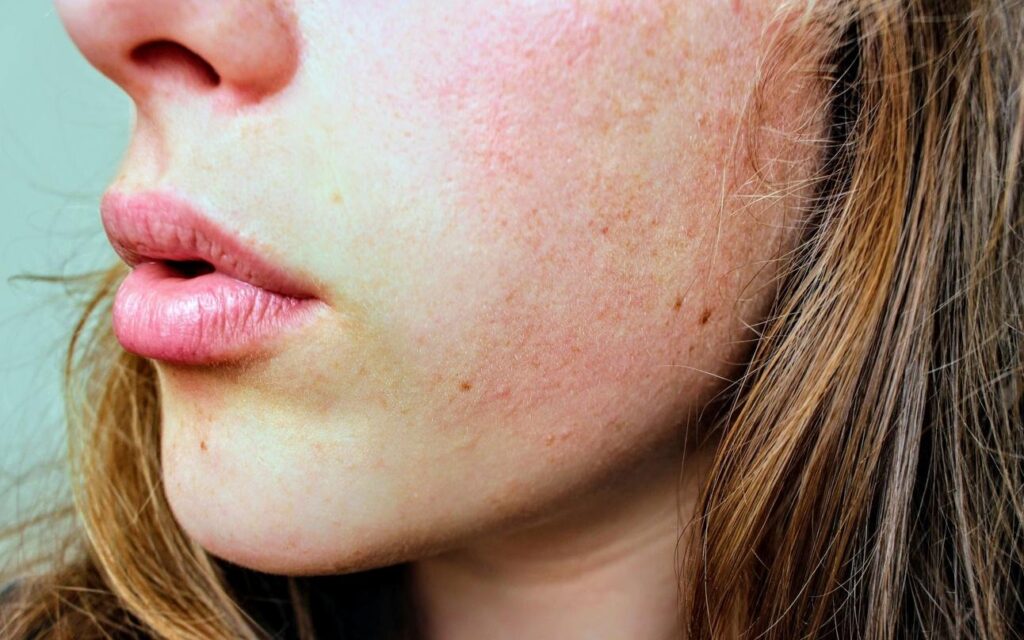
Uneven skin texture doesn’t look the same for everyone. Some of the most common winter texture concerns include:
These changes can affect confidence and make skincare feel frustrating — especially when products that worked in summer suddenly feel ineffective.
Medical-grade skincare is essential for maintaining healthy skin, but there is a limit to what topical products can accomplish. Skincare works primarily at the surface of the skin. When uneven texture is caused by deeper issues like slowed cell turnover, collagen loss, or sun damage accumulated over years, professional treatments are often necessary to create meaningful change.
Many patients tell us they feel like their skincare “stopped working” in winter. In reality, their skin needs additional support during this season — not stronger products, but smarter treatment strategies.
All images used under license from Canva. © APT Medical Aesthetics, 2026. All rights reserved.
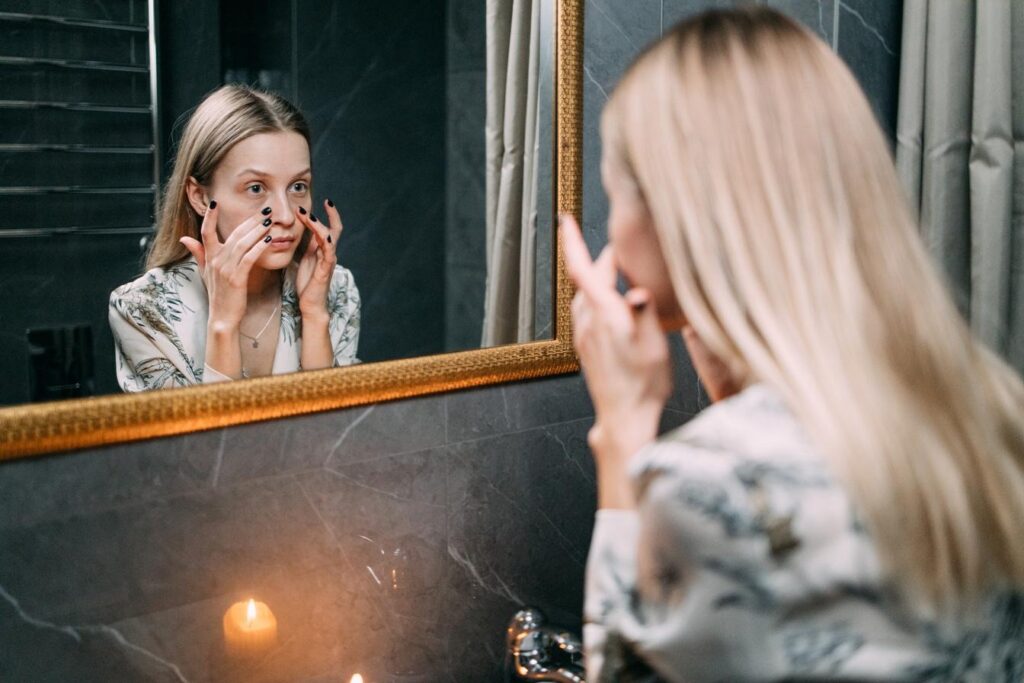
While professional treatments deliver the most noticeable results, daily habits still play an important role in managing rough skin texture during winter.
Exfoliation helps remove dead skin cells that contribute to roughness. In winter, gentle chemical exfoliants are usually better tolerated than physical scrubs, which can irritate already-dry skin.
Exfoliating one to two times per week can help smooth texture and improve product absorption, but over-exfoliating can worsen dryness and sensitivity.
Using a moisturizer with barrier-supporting ingredients such as ceramides, hyaluronic acid, and lipids helps reduce moisture loss and improve skin smoothness over time.
UV exposure continues year-round, even in winter. Sun damage contributes to uneven texture and collagen breakdown. Daily sunscreen helps prevent further damage and supports long-term skin quality.
All images used under license from Canva. © APT Medical Aesthetics, 2026. All rights reserved.
When uneven skin texture persists despite consistent skincare, in-clinic treatments can dramatically improve the skin’s surface and overall appearance.
Microneedling is one of the most effective treatments for improving uneven skin texture because it stimulates the skin’s natural repair process. Fine needles create controlled micro-injuries that trigger collagen and elastin production, gradually smoothing the skin from within.
Microneedling is especially helpful for:
Results develop gradually as new collagen forms, making this treatment ideal for patients who want natural improvement with minimal downtime.
If you’re curious about how microneedling works beneath the surface, we explain the science and expectations in our complete guide to microneedling and collagen stimulation.
Laser skin resurfacing is a more intensive option for uneven skin texture caused by sun damage, deeper roughness, or irregular tone. Laser treatments use focused energy to remove damaged surface layers and stimulate collagen renewal at deeper levels.
Laser resurfacing is often recommended when texture concerns coexist with pigmentation, redness, or early signs of skin laxity.
Because different lasers address different concerns, choosing the right technology matters. We break this down in our detailed overview of popular laser treatments available in Oakville, which helps patients understand what each option is best suited for.
All images used under license from Canva. © APT Medical Aesthetics, 2026. All rights reserved.
One of the most common questions patients ask is whether laser or microneedling is the best treatment for uneven skin texture.
During a consultation, we assess your skin type, texture severity, lifestyle, and recovery preferences to determine which option — or combination — will deliver the best results.
If you’re preparing for your first visit, this guide to what happens during a professional skin consultation explains how treatment decisions are made and what to expect.
Results depend on the treatment chosen and the severity of the texture concern.
With microneedling, many patients notice improved smoothness within a few weeks, with continued improvement over several months as collagen builds.
Laser resurfacing often produces visible improvement once the skin heals, with continued refinement over time.
In both cases, results are cumulative and best maintained with proper skincare and sun protection.
Uneven skin texture is one of the most common — and frustrating — winter skin concerns, but it doesn’t have to be something you simply “wait out” until spring. With the right combination of skincare, professional treatments, and seasonal adjustments, smoother, more refined skin is achievable year-round.
At APT Medical Aesthetics in Oakville, serving patients throughout the Greater Toronto Area, in Oakville, serving patients throughout the Greater Toronto Area,, we focus on understanding why texture issues develop and creating personalized treatment plans that work with your skin — not against it — even during the harshest months.
BACK TO ALL ARTICLESClear + Brilliant Laser Before and After
Contact APT Medical Aesthetics now. Whether you want to book a consultation, find out more about our services, or simply want to ask a few questions, we would love to hear from you!
 Oakville
1276A Cornwall Road,
Oakville ON, L6J 7W5

Contact APT Medical Aesthetics now. Whether you want to book an appointment, find out a bit more about our services, or want to simply ask a few questions, we would love to hear from you!

1276A Cornwall Road, Oakville ON, L6J 7W5

Monday – Friday: 9am – 6pm
Saturday & Sunday: Closed


APT Medical Aesthetics Ltd. is world-class private complete skin care clinic in the Greater Toronto Area of Ontario, serving Oakville. We
provide our treatments in a safe, trusting, comfortable environment. Our clinic is pleased to offer the most advanced and comprehensive skin care solutions
including Botox Cosmetic / Dysport / Xeomin, Dermal Filler, Laser Skin Resurfacing to clients across Ontario.
Contact us for more information or to book a free consultation appointment at our Oakville, or clinics. Our friendly team of beauty consultants
and aestheticians are available Monday to Thursday 9 am to 6 pm, Friday 9 am to 4 pm, Saturday & Sunday: Closed
We are open weekdays for class sessions and by request.
If you have any questions or concerns, please email us at info@aptmedspa.com
© Copyright 2023 APT Aesthetics Ltd. All Rights Reserved. | Terms of Use | Privacy Policy
Web Design & Digital Marketing by The Influence Agency

 (905) 849-8646
 info@aptmedspa.com


 905-849-8646