 Natural. Authentic.
Regenerative. Distinctly APT.
Natural. Authentic.Under eye hollows are one of the most common concerns patients bring to medical aesthetics clinics, especially as the first signs of aging begin to show. They can make you look tired, older than you are, or like you’re constantly worn out — even when you’re well-rested. In this guide, we’ll explain what under eye hollows are, why they form, how aging contributes to them, and the most effective treatment options available today.
But first, let’s clear up some terminology: you may also hear people refer to hollow under eyes or tear trough concerns. Though the exact wording varies, the underlying issue is the same — a depression or shadow under the lower eyelid that changes the appearance of the mid-face.
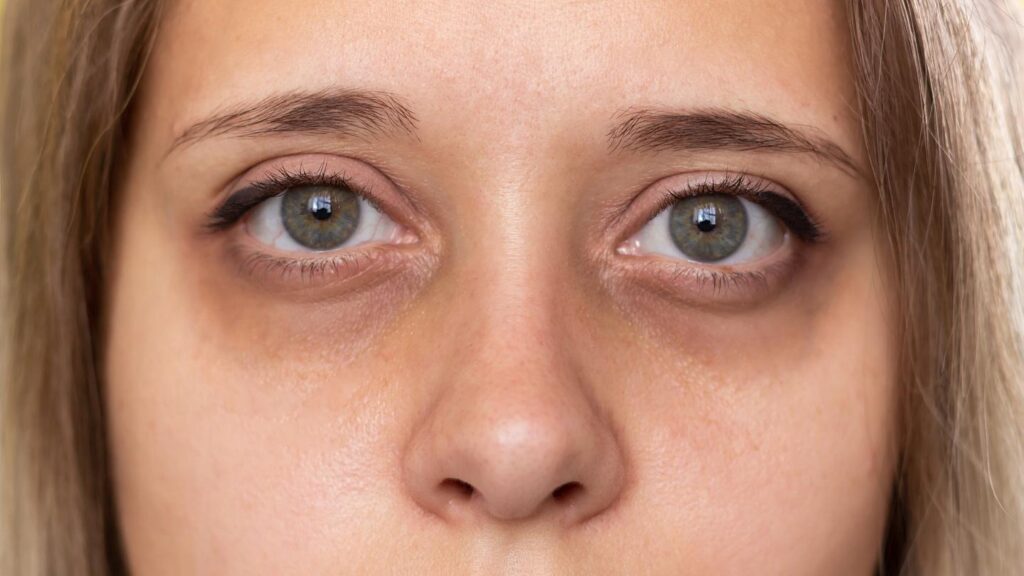
Under eye hollows refer to the indentation or depression that forms beneath the lower eyelid and above the upper cheek. This creates a shadow or concave area that can:
Many people assume this is just “dark circles,” but while shadows can contribute to dark circles, hollows are structural changes in the underlying tissues and bone.
All images used under license from Canva. © APT Medical Aesthetics, 2026. All rights reserved.
Understanding what causes under eye hollows helps explain why they’re so common — and why they can worsen over time.
Some individuals naturally have deeper tear troughs due to bone structure or fat distribution. If your parents or close relatives have under eye hollows, there’s a strong chance you may too — which answers the common question: are under eye hollows genetic?
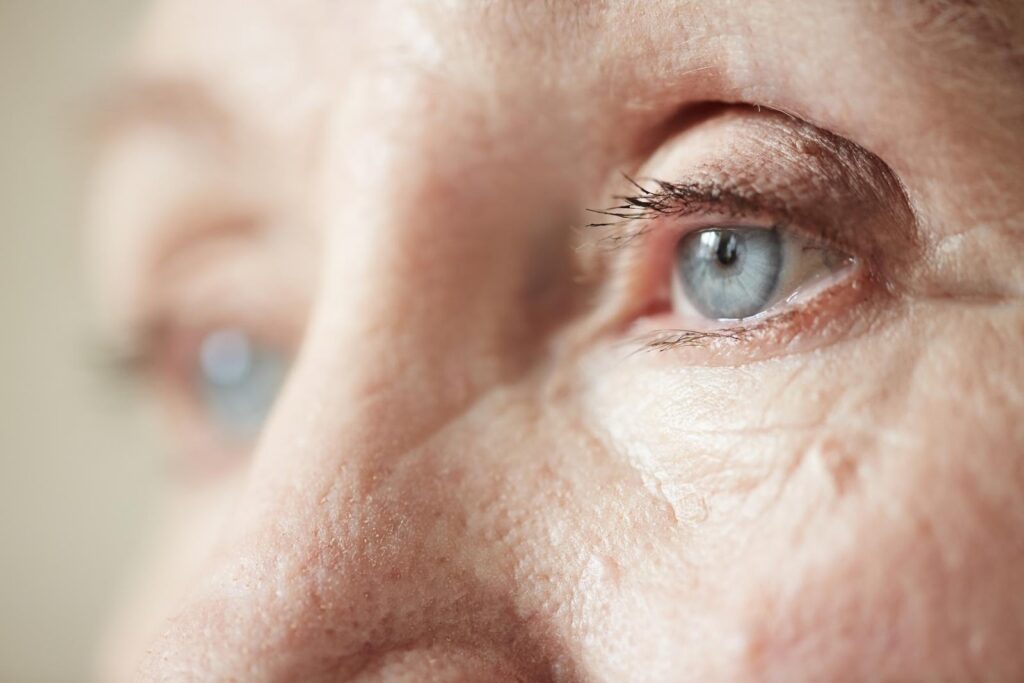
As we age, fat pads beneath the eyes and cheeks naturally diminish. This volume loss causes the lower eyelid skin to sit closer to the bone and cheek, intensifying the hollowed appearance. Bone resorption in the mid-face also contributes to this effect.
Aging doesn’t just affect hollows; it’s part of the reason other mid-face changes occur, like nasolabial folds and jowls. If you’re curious about how facial aging impacts your skin more broadly, this ties into why the tips in our blog on how skin aging really works — and what you can do about it can be helpful.
All images used under license from Canva. © APT Medical Aesthetics, 2026. All rights reserved.
While genetics and aging are major drivers, lifestyle can play a role too. Poor sleep, sun exposure, smoking, and chronic dehydration don’t directly cause hollows, but they can make shadows more noticeable and the skin less resilient.
As collagen and elastin break down over time, the way fat is distributed in your face can shift. Fat loss under the eyes combined with fat accumulation in other areas (like jowls or chin) can exaggerate the hollowed under eye look.
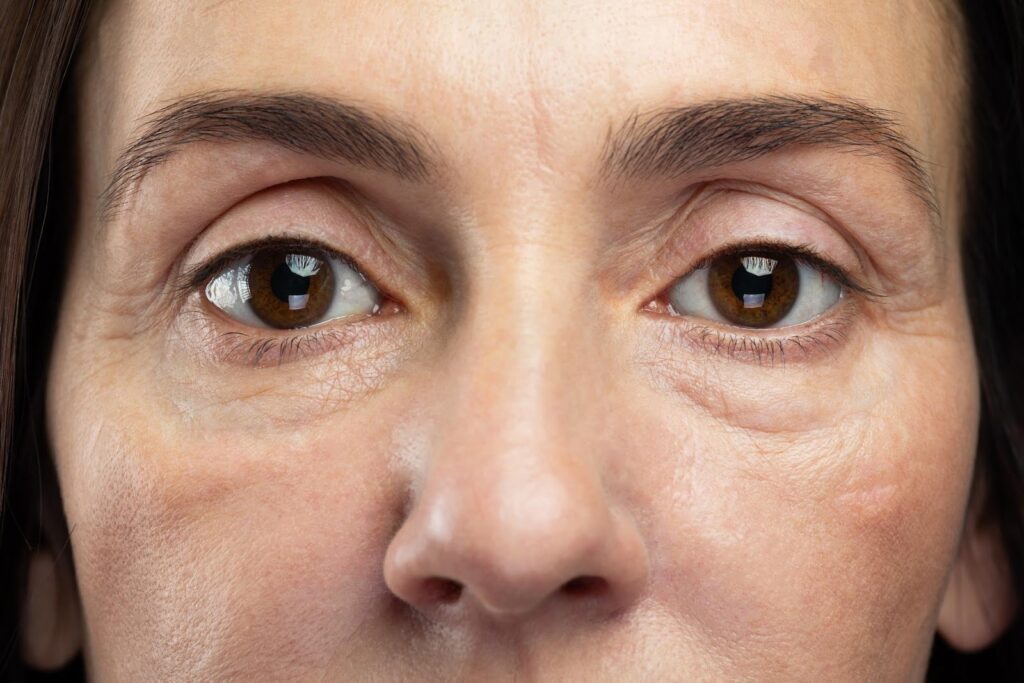
Under eye hollows don’t just affect how you look — they can affect how others perceive you. Even subtle hollows can create shadows that:
Many patients find that addressing under eye hollows makes them look more rested, refreshed, and youthful — even if they haven’t changed anything else about their skincare routine.
If you want to explore how other areas of your face influence overall harmony, our piece on how lip shape, cheeks, and jawline work together for facial balance can offer insightful context.
All images used under license from Canva. © APT Medical Aesthetics, 2026. All rights reserved.
Aging affects every layer of the skin and underlying facial structures:
With age, the skin loses collagen, elastin, and moisture-retaining capacity. Thin, lax skin under the eyes accentuates hollows and shadows.
Fat pads that once supported a youthful cheek fullness shrink and descend. This not only creates hollows but can deepen tear trough lines.
The mid-facial bones gradually lose density and volume. This structural shift pulls support away from the soft tissue under the eyes.
Tiny ligaments connecting skin and muscle can loosen over time, allowing fat to shift and shadowed areas to deepen.
Understanding these aging patterns helps explain why topical creams alone are rarely enough to resolve deeper under eye hollows — and why targeted treatments are often the best solution.
All images used under license from Canva. © APT Medical Aesthetics, 2026. All rights reserved.
It’s easy to confuse under eye hollows with dark circles, but they’re not the same:
Sometimes hollows cause shadows that appear like dark circles, but addressing pigmentation alone won’t correct the actual hollow.
If pigmentation and discoloration are part of what you’re dealing with, our blog on managing post-acne dark marks and scarring has great guidance on how to tackle surface pigmentation along with structural concerns.
There’s no one-size-fits-all answer, so treatments vary based on what’s causing your hollows and your desired outcome.
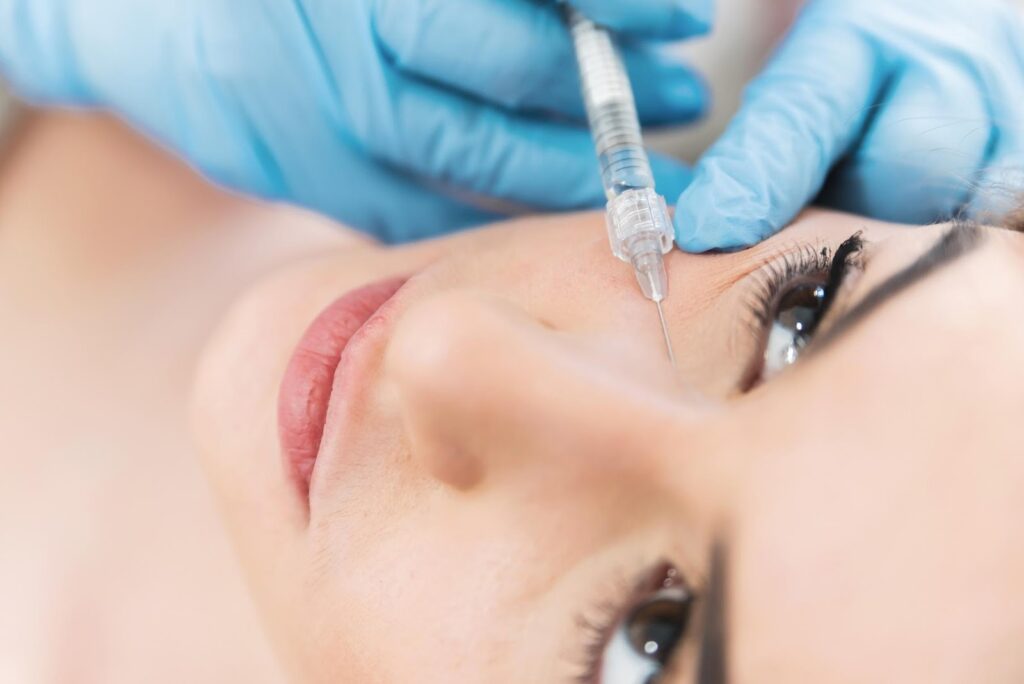
Dermal fillers are the most common and effective treatment for under eye hollows. They restore volume, smooth transitions, and reduce shadowing.
Injectables are also discussed in depth in our posts on why localized volume loss like cheek depression or temple hollowing responds so well to fillers, and how contouring dermal fillers can lift and balance facial features.
For some patients, building your own collagen over time can improve the under eye area’s texture and resilience. Collagen stimulators encourage your body to produce more support structures naturally.
Combining dermal fillers with skin-boosting treatments can nourish the skin around the hollows and improve moisture retention and elasticity.
In select cases, especially with significant volume loss or when natural fat reserves are available, fat transfer may be considered. This uses your own fat to restore under eye and mid-face volume.
For deeper hollows caused by structural changes, a surgical blepharoplasty with fat repositioning can offer long-lasting results. This is more invasive and requires recovery time, but it can be transformative for the right candidates.
All images used under license from Canva. © APT Medical Aesthetics, 2026. All rights reserved.
Understanding the patient experience helps manage expectations.
We’ll evaluate anatomy, skin quality, and aging patterns to recommend the safest and most effective treatment plan tailored to you.
Most injectable treatments are done with topical numbing for comfort. Patients can often return to daily activities immediately.
Dermal fillers can last 9–18 months depending on the product used and your body’s metabolism. Collagen stimulators may take a few months to show full results but can last longer.
All images used under license from Canva. © APT Medical Aesthetics, 2026. All rights reserved.
Under eye hollows arise from a combination of genetics, aging, bone resorption, and volume loss in facial fat pads. As skin thins and support structures weaken, the area beneath the eye becomes more concave.
Yes — family history plays a significant role in initial tear trough depth and facial anatomy, which influences how pronounced under eye hollows appear over time.
For many patients, injectable dermal fillers are the first-line choice because they restore natural volume and smooth contours with minimal downtime. Other options include collagen stimulators, skin boosters, fat transfer, or surgery depending on individual anatomy and goals.
Choosing a treatment should be a partnership between you and a qualified clinician. Consider:
At APT Medical Aesthetics in Oakville, serving patients throughout the Greater Toronto Area, in Oakville, serving patients throughout the Greater Toronto Area,, we tailor every plan specifically to the individual, combining science, artistry, and safety.
Under eye hollows can feel frustrating, especially when they make you look tired or older than you actually feel. The good news is that they are a very treatable concern once you understand what’s contributing to their appearance. Whether your under eye hollows are primarily influenced by genetics, natural aging, volume loss, or a combination of factors, there are effective options available that can restore balance and soften the hollowed look under the eyes.
Addressing under eye hollows is not about changing how you look — it’s about enhancing what’s already there. With the right approach, treatments can help smooth transitions between the lower eyelid and the cheek, reduce shadowing, and create a brighter, more refreshed appearance that still looks natural and true to you. When treatment is thoughtfully planned and tailored to your individual anatomy, the results can be subtle yet impactful, helping you look more rested and rejuvenated rather than “done.”
Every face is unique, which is why a personalized assessment is so important. At APT Medical Aesthetics, we take the time to evaluate your facial structure, skin quality, and aging patterns to ensure any treatment plan is designed specifically for you. If you’re ready to explore your options and learn what’s best for your under eye concerns, our team is here to guide you through the process and help you achieve a refreshed, confident look that feels like yourself — just well-rested.
BACK TO ALL ARTICLESClear + Brilliant Laser Before and After
Contact APT Medical Aesthetics now. Whether you want to book a consultation, find out more about our services, or simply want to ask a few questions, we would love to hear from you!
 Oakville
1276A Cornwall Road,
Oakville ON, L6J 7W5

Contact APT Medical Aesthetics now. Whether you want to book an appointment, find out a bit more about our services, or want to simply ask a few questions, we would love to hear from you!

1276A Cornwall Road, Oakville ON, L6J 7W5

Monday – Friday: 9am – 6pm
Saturday & Sunday: Closed


APT Medical Aesthetics Ltd. is world-class private complete skin care clinic in the Greater Toronto Area of Ontario, serving Oakville. We
provide our treatments in a safe, trusting, comfortable environment. Our clinic is pleased to offer the most advanced and comprehensive skin care solutions
including Botox Cosmetic / Dysport / Xeomin, Dermal Filler, Laser Skin Resurfacing to clients across Ontario.
Contact us for more information or to book a free consultation appointment at our Oakville, or clinics. Our friendly team of beauty consultants
and aestheticians are available Monday to Thursday 9 am to 6 pm, Friday 9 am to 4 pm, Saturday & Sunday: Closed
We are open weekdays for class sessions and by request.
If you have any questions or concerns, please email us at info@aptmedspa.com
© Copyright 2023 APT Aesthetics Ltd. All Rights Reserved. | Terms of Use | Privacy Policy
Web Design & Digital Marketing by The Influence Agency

 (905) 849-8646
 info@aptmedspa.com


 905-849-8646