 Natural. Authentic.
Regenerative. Distinctly APT.
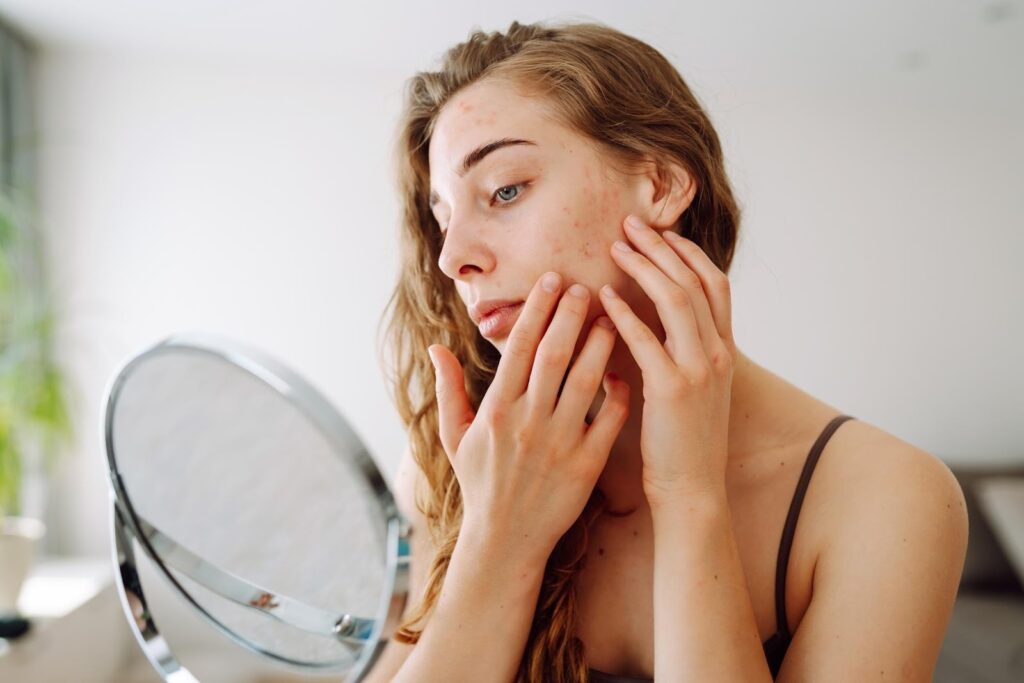
Natural. Authentic.Starting a new skincare routine during the winter can often feel like a gamble. You may be trying to repair dryness, dullness, congestion, or uneven texture after months of environmental stress, only to notice that your skin suddenly starts to break out. Small bumps begin to appear. Pimples surface in areas you don’t normally struggle with. Your skin may look more congested than before, even though you’ve been consistent with your routine. At that point, the big question arises: is this skin purging, or is your skincare actually making things worse?
This confusion is especially common during the winter months, when cold outdoor temperatures, indoor heating, and reduced humidity place extra strain on the skin barrier. When the barrier is compromised, the skin becomes more reactive and less resilient, making it harder to tell whether breakouts are part of a normal adjustment process or a sign that something isn’t working. Misinterpreting what your skin is doing can lead to stopping beneficial products too soon, pushing through irritation that should be addressed, or constantly switching products in a way that further disrupts the skin.
Understanding the difference between skin purging and breaking out is particularly important in winter, when the skin needs both patience and protection. Knowing how to recognize the signs of each allows you to make informed decisions about your skincare routine, support your skin barrier properly, and avoid unnecessary frustration. With the right approach, you can determine whether your skin is adjusting as expected or signaling that it needs a change, helping you stay on track toward healthier, more balanced skin throughout the colder months.
All images used under license from Canva. © APT Medical Aesthetics, 2026. All rights reserved.
Skin purging is a temporary reaction that occurs when certain active ingredients accelerate skin cell turnover. When this happens, congestion that already exists beneath the surface comes to light more quickly than it normally would.
In other words, purging doesn’t create new acne — it brings pre-existing blockages to the surface faster.
Skin purging most commonly occurs when starting ingredients such as retinoids, chemical exfoliants, or resurfacing treatments. These ingredients increase the rate at which skin sheds dead cells, unclogs pores, and renews itself.
Because of this process, breakouts may appear shortly after introducing a new product, particularly one designed to improve texture or acne.
This concept is often discussed when learning more about how medical-grade skincare works differently than over-the-counter products, especially when stronger actives are involved.
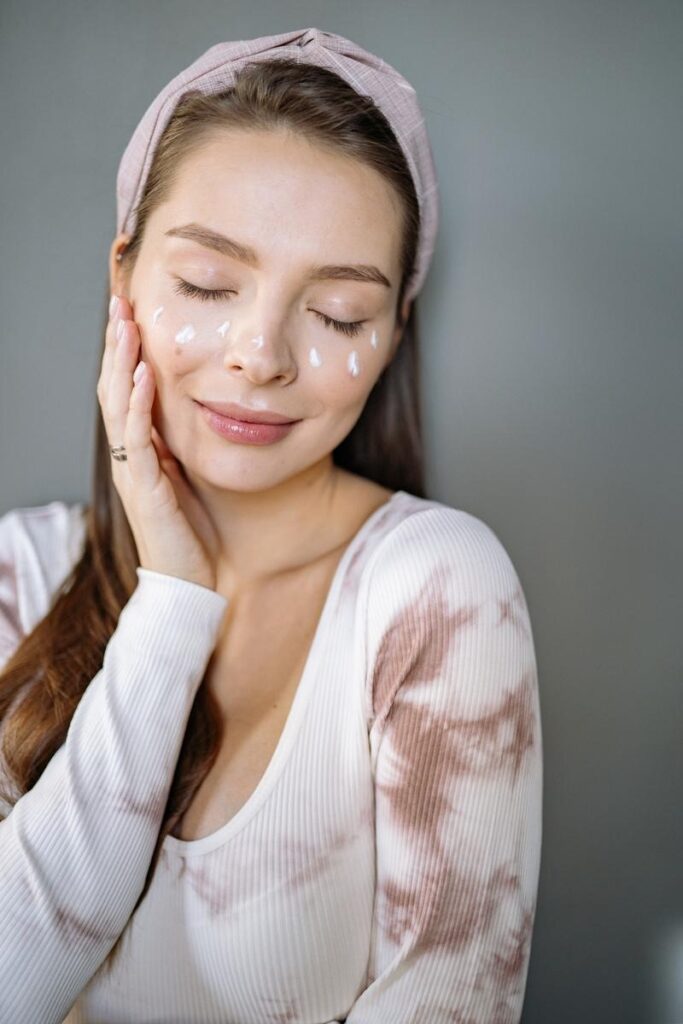
Winter creates the perfect environment for confusion between purging and breaking out. Cold air, indoor heating, reduced humidity, and heavier skincare products all impact how the skin behaves.
During Winter
• the skin barrier is more fragile • cell turnover can slow down • dryness and dehydration increase • heavier products are often introduced
When actives like retinol are added during this time, the skin may react more noticeably. This doesn’t necessarily mean the product is wrong — it often means the skin is adjusting under less-than-ideal conditions.
Understanding how seasonal changes affect skin health and aging helps explain why winter reactions can look more dramatic than they actually are.
All images used under license from Canva. © APT Medical Aesthetics, 2026. All rights reserved.
Breaking out refers to acne or irritation caused by factors such as clogged pores, inflammation, barrier disruption, or sensitivity to ingredients. Unlike purging, these breakouts are not temporary adjustments — they are signs that something isn’t working well for your skin.
Breakouts can occur when:
• products are too heavy or comedogenic • the skin barrier is compromised • active ingredients are overused • multiple new products are introduced at once • hydration and repair are neglected
Winter breakouts are especially common when people layer richer creams without adjusting cleansing routines or introduce too many actives at once.
All images used under license from Canva. © APT Medical Aesthetics, 2026. All rights reserved.
One of the most reliable ways to distinguish purging vs breaking out is by paying attention to timing, location, and duration.
Skin purging typically occurs in areas where you normally experience congestion or acne. If you usually break out on your chin or forehead, purging will likely show up there.
Breaking out often appears in new or unusual areas — such as the cheeks, jawline, or neck — where you don’t typically experience acne.
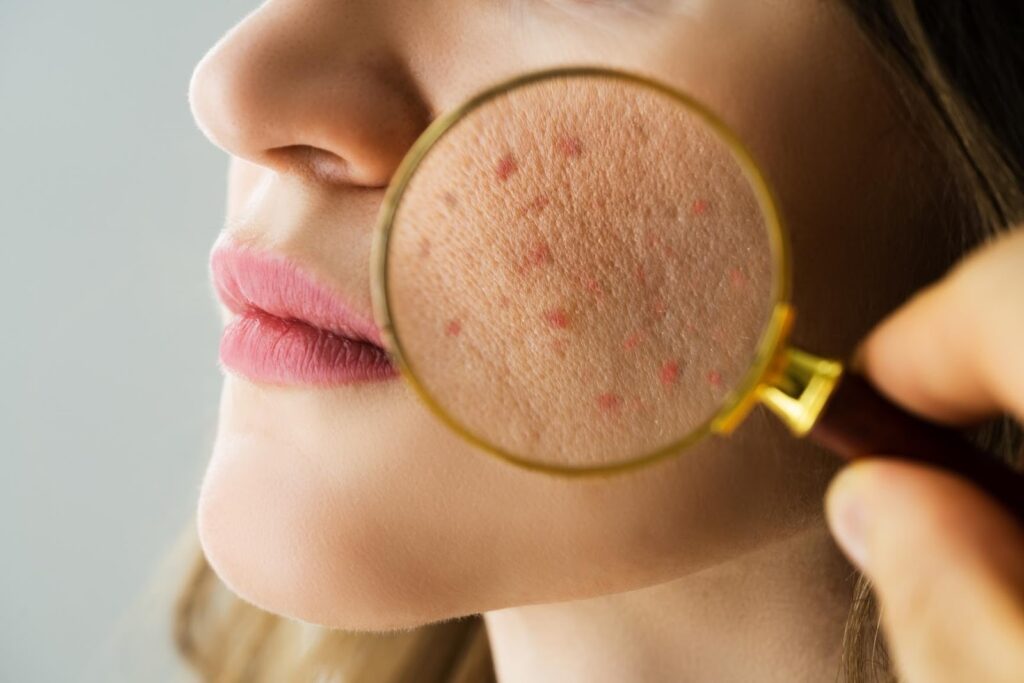
Purging usually presents as small whiteheads, blackheads, or superficial pimples that resolve relatively quickly.
Breaking out may involve inflamed, painful, cystic, or persistent acne that worsens over time.
Skin purging generally begins within the first few weeks of introducing a new active ingredient.
Breaking out may start later or continue indefinitely without improvement.
One of the biggest clues is how long it lasts. Purging is temporary. Breakouts are not.
This distinction is especially important when adjusting routines aimed at improving texture, as discussed in how to improve uneven skin texture without damaging the skin barrier.
All images used under license from Canva. © APT Medical Aesthetics, 2026. All rights reserved.
A common question is how long skin purging lasts. While everyone’s skin is different, purging typically resolves within one full skin cycle.
For most people, this means approximately four to six weeks.
If breakouts continue beyond this timeframe, worsen over time, or become increasingly inflamed, it’s more likely that the skin is reacting negatively rather than purging.
Winter conditions can slightly prolong adjustment periods, but persistent irritation is still a sign to reassess.
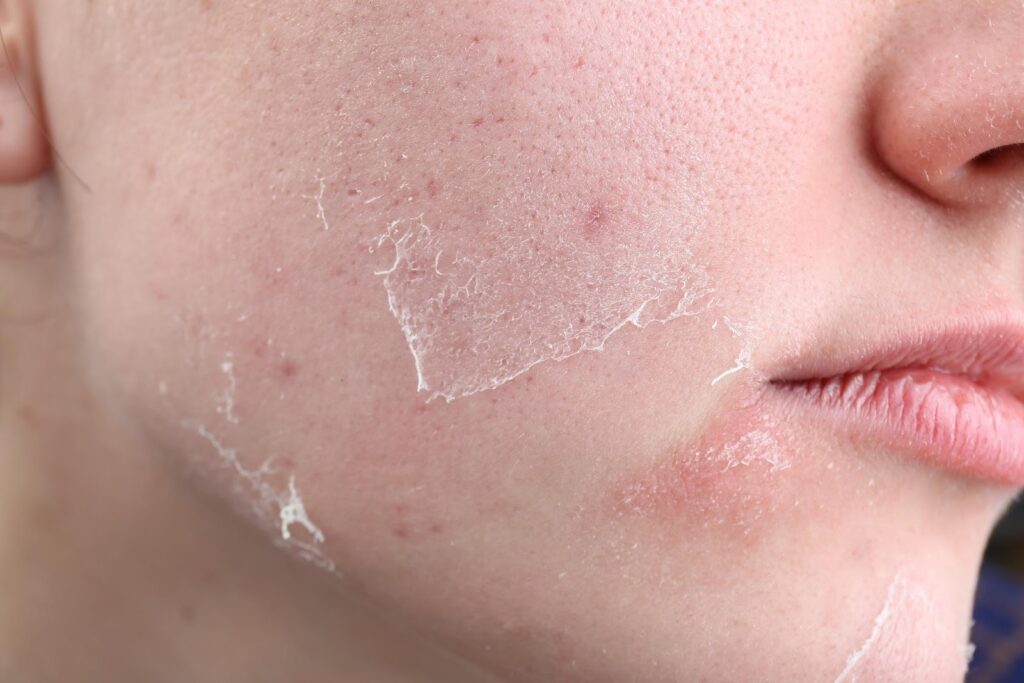
The retinol purge is one of the most well-known forms of skin purging. Retinol increases cell turnover, pushing congestion to the surface more rapidly.
During a retinol purge, you may notice some of the following.
• Small breakouts in typical acne-prone areas • Mild flaking or dryness • Increased sensitivity
This is why retinol should always be introduced gradually, especially in winter. Pairing retinol with barrier-supportive products is critical — a strategy often emphasized when discussing why professional skincare guidance matters with active ingredients.
All images used under license from Canva. © APT Medical Aesthetics, 2026. All rights reserved.
If your skin develops widespread redness, burning or stinging, itchy or rash-like bumps, and/or worsening acne in new areas, this is more likely irritation or a true breakout rather than purging.
In winter, compromised skin barriers are more susceptible to irritation. Over-exfoliation, harsh cleansers, and insufficient hydration can all trigger breakouts that mimic purging.
This is where understanding the importance of skin barrier health in winter skincare becomes essential.
Whether or not you should stop retinol depends on what your skin is telling you.
If you’re experiencing mild purging symptoms that improve week by week, continuing at a reduced frequency may be appropriate.
However, if you’re dealing with significant irritation, prolonged breakouts, or barrier damage, pausing retinol is often the best decision.
Retinol should never feel painful, inflamed, or intolerable. Skincare should support the skin, not overwhelm it.
This balance between progress and protection is frequently discussed in how to safely introduce active ingredients into a skincare routine, especially during colder months.
Winter skincare requires a different approach than summer routines. To reduce the risk of breakouts and irritation, below are some things you can try to help.
• Simplify your routine • Introduce one active at a time • Increase hydration and barrier repair • Avoid over-cleansing • Reduce exfoliation frequency
Supporting the skin barrier helps reduce both purging intensity and the likelihood of true breakouts.
All images used under license from Canva. © APT Medical Aesthetics, 2026. All rights reserved.
If you’re unsure whether you’re experiencing skin purging or breaking out, a professional consultation can provide clarity.
A trained provider can assess the following.
• Skin condition • Ingredient interactions • Barrier integrity • Treatment timing
This guidance prevents unnecessary trial and error and helps ensure your skincare routine aligns with your skin’s needs — a philosophy emphasized throughout educational medical aesthetic consultations.
Skin purging can also occur after professional treatments such as chemical peels, microneedling, or resurfacing procedures.
These reactions are typically expected and temporary, but they should always be explained in advance and supported with appropriate post-care.
Understanding what to expect after professional skin treatments helps set realistic expectations and reduces anxiety during the healing process.
Skin purging and breaking out may look similar on the surface, but they are very different processes with very different implications for your skincare routine. Understanding the difference is especially important during the winter months, when the skin is more vulnerable to irritation, dehydration, and barrier disruption due to cold weather and indoor heating.
Skin purging is temporary and purposeful. It reflects the skin’s natural response to active ingredients that increase cell turnover and bring underlying congestion to the surface more quickly. While it can be frustrating, purging is typically short-lived and resolves as the skin adjusts.
Breaking out, on the other hand, is a signal that something needs to change. Persistent breakouts, irritation, or worsening inflammation often indicate that a product, routine, or ingredient is not well suited to your skin’s current needs. Recognizing this difference allows you to respond appropriately—either by giving your skin time to adjust or by reassessing your routine to better support your skin barrier.
By paying attention to timing, location, and how your skin feels overall, you can make informed decisions that protect your skin and prevent unnecessary setbacks. With the right approach, winter skincare doesn’t have to be a guessing game—it can be a thoughtful, supportive process that helps your skin stay healthy, balanced, and resilient.
By paying attention to timing, location, and duration — and by supporting the skin barrier throughout the winter months — you can make informed decisions that protect your skin and support long-term results.
When in doubt, professional guidance can help ensure your skincare routine is working with your skin, not against it.
BACK TO ALL ARTICLES

Contact APT Medical Aesthetics now. Whether you want to book a consultation, find out more about our services, or simply want to ask a few questions, we would love to hear from you!
 Oakville
1276A Cornwall Road,
Oakville ON, L6J 7W5

Contact APT Medical Aesthetics now. Whether you want to book an appointment, find out a bit more about our services, or want to simply ask a few questions, we would love to hear from you!

1276A Cornwall Road, Oakville ON, L6J 7W5

Monday – Friday: 9am – 6pm
Saturday & Sunday: Closed


APT Medical Aesthetics Ltd. is world-class private complete skin care clinic in the Greater Toronto Area of Ontario, serving Oakville. We
provide our treatments in a safe, trusting, comfortable environment. Our clinic is pleased to offer the most advanced and comprehensive skin care solutions
including Botox Cosmetic / Dysport / Xeomin, Dermal Filler, Laser Skin Resurfacing to clients across Ontario.
Contact us for more information or to book a free consultation appointment at our Oakville, or clinics. Our friendly team of beauty consultants
and aestheticians are available Monday to Thursday 9 am to 6 pm, Friday 9 am to 4 pm, Saturday & Sunday: Closed
We are open weekdays for class sessions and by request.
If you have any questions or concerns, please email us at info@aptmedspa.com
© Copyright 2023 APT Aesthetics Ltd. All Rights Reserved. | Terms of Use | Privacy Policy
Web Design & Digital Marketing by The Influence Agency

 (905) 849-8646
 info@aptmedspa.com


 905-849-8646