 Natural. Authentic.
Regenerative. Distinctly APT.
Natural. Authentic.Summer is the season when many people suddenly become hyper-aware of their skin.
The sunlight is brighter. Makeup becomes lighter. Vacations, weddings, patios, and outdoor events fill the calendar. And for many patients, pigmentation that seemed manageable during winter suddenly looks darker, more uneven, and harder to conceal.
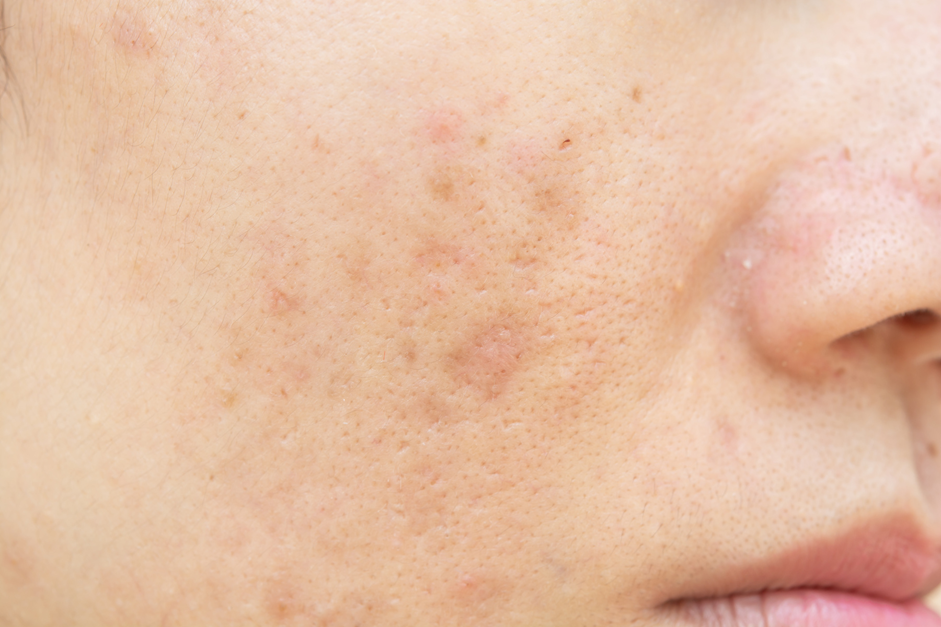
Brown spots become more noticeable after sun exposure. Melasma flares unexpectedly. Even patients who invested in expensive skincare throughout the year often feel frustrated that their skin tone still appears uneven in natural sunlight.
This is why pigmentation treatments become one of the most requested concerns during the warmer months in Oakville and throughout the GTA.
But summer also creates confusion. Can laser treat pigmentation safely during sunny months? Are chemical peels too aggressive in summer? What is actually the best treatment for pigmentation in summer without making things worse?
And why does pigmentation sometimes keep coming back even after treatment?
At APT Medical Aesthetics in Oakville, we help patients understand how to approach hyperpigmentation treatment safely and strategically during the summer season. The reality is that some pigmentation treatments work beautifully during warmer months, while others require more caution depending on skin type, sun exposure, and individual concerns.
If you are searching for safe dark spot removal options this summer, this guide will help explain what works, what to avoid, and how to prevent pigmentation recurrence long-term.
Pigmentation is the skin’s natural response to inflammation or UV exposure. When the skin experiences sun damage, acne, hormonal changes, heat, or irritation, melanocytes become activated. These cells produce melanin, which creates darker areas within the skin.
During summer, UV exposure increases dramatically, even on cloudy days. This increase in sunlight stimulates pigment production more aggressively, which is why many patients notice existing dark spots becoming darker and new pigmentation developing more easily.
Heat itself can also worsen conditions such as melasma, which surprises many people. Some patients assume pigmentation only worsens if they visibly burn in the sun, but even indirect heat and cumulative UV exposure can trigger stubborn discoloration.
This is one reason pigmentation can be so frustrating. Even after successful treatment, recurrence remains possible if proper prevention is not maintained.
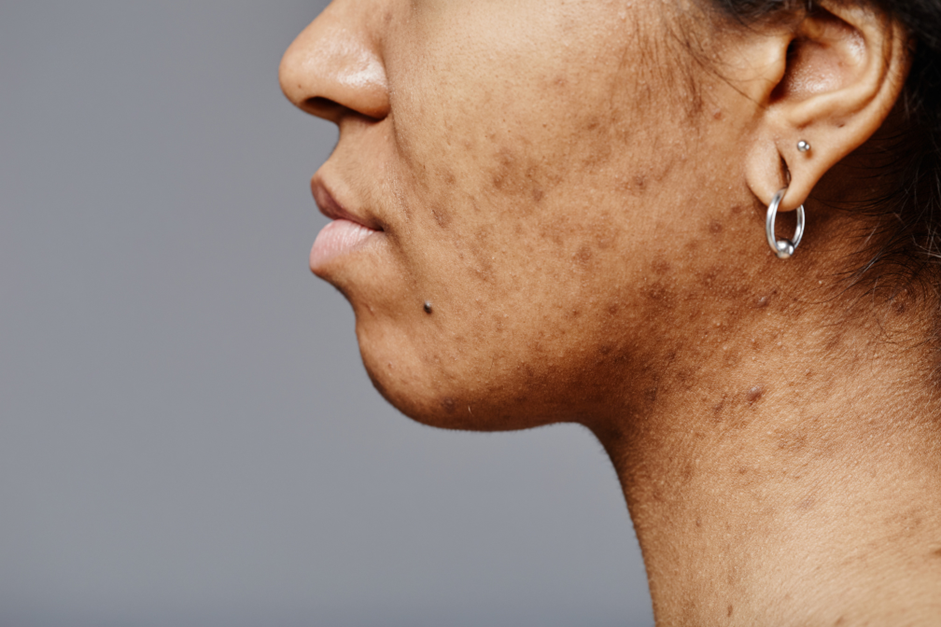
Not all pigmentation behaves the same way. One of the biggest mistakes patients make is assuming every dark spot should be treated identically.
Post-inflammatory hyperpigmentation often develops after acne, irritation, or inflammation. These marks may fade gradually over time but can linger for months without proper treatment.
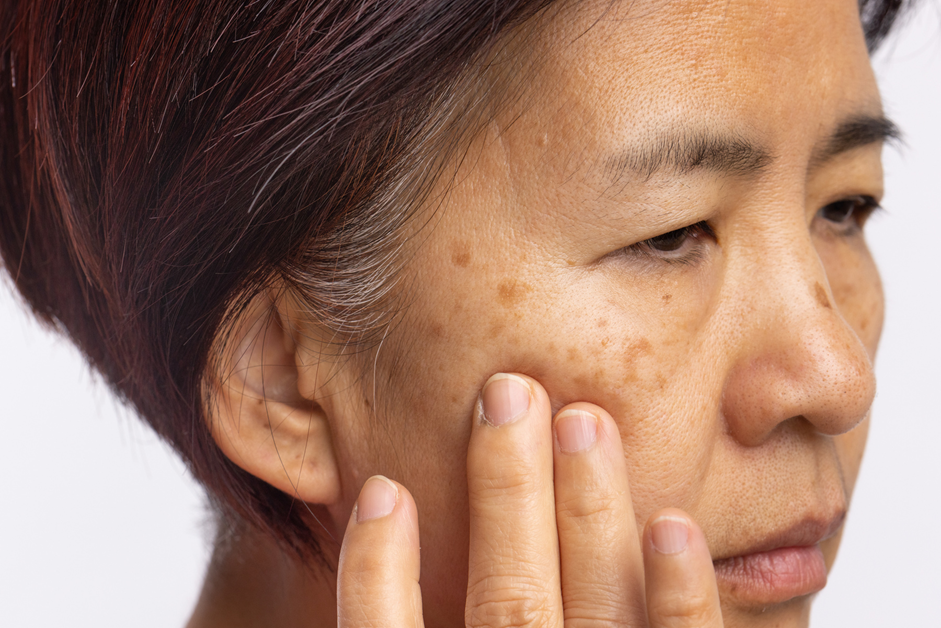
Sunspots, also called solar lentigines, are typically caused by years of accumulated UV exposure and commonly appear on the cheeks, forehead, chest, and hands.
Melasma is a more complex hormonal pigmentation condition that often appears symmetrically across the face. It can be triggered by hormones, heat, pregnancy, sun exposure, and inflammation.
Because different types of pigmentation respond differently to treatment, professional assessment is extremely important before beginning hyperpigmentation treatment.
This is one of the most common questions patients ask. The answer is yes — but carefully.
Certain laser and light-based pigmentation treatments can absolutely be performed safely during summer when proper precautions are followed. However, not every patient or every treatment is ideal during periods of high sun exposure.
Patients who are frequently outdoors, actively tanning, recently sunburned, or inconsistent with sunscreen use may not be ideal candidates for aggressive laser treatments during summer months.
At APT Medical Aesthetics, treatment recommendations are carefully adjusted based on a patient’s lifestyle, skin tone, sun exposure, and pigmentation type. The goal is not only to improve pigmentation safely but also to minimize the risk of worsening discoloration afterward.
BroadBand Light therapy (BBL) is one of the most effective pigmentation treatments for addressing visible sun damage and uneven tone. BBL works by targeting excess pigment within the skin while also improving overall skin clarity and collagen stimulation.
Many patients love BBL because it can improve multiple concerns simultaneously, including pigmentation, redness, uneven tone, and visible signs of aging. However, proper timing and sun protection are extremely important. Patients undergoing BBL treatments must be diligent about sunscreen use and avoiding excessive UV exposure before and after treatment.
One patient came into the clinic before a summer wedding feeling discouraged because makeup no longer covered the uneven pigmentation across her cheeks. She had spent years trying over-the-counter brightening products without seeing meaningful improvement. After assessment, a personalized treatment plan combining BBL and medical-grade skincare was recommended. Over several weeks, her skin tone gradually appeared brighter and more even. Most importantly, she learned how crucial daily SPF use would be for preventing pigmentation recurrence afterward.
That education component matters just as much as the treatment itself.
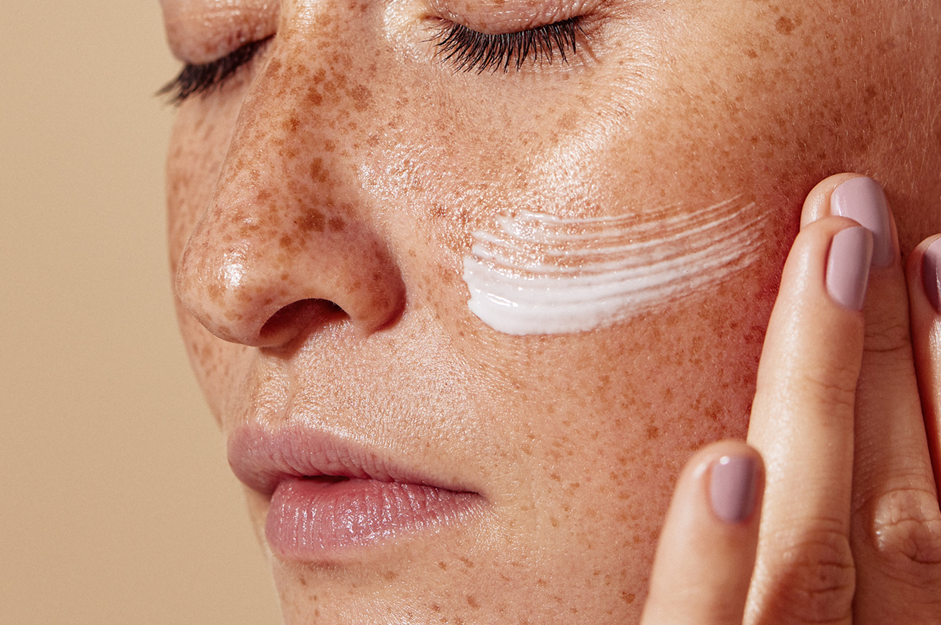
Many patients underestimate how important medical grade skincare is for managing pigmentation. Professional skincare products designed for hyperpigmentation treatment can help regulate melanin production, support skin turnover, and reduce inflammation.
Ingredients commonly used in pigment management include vitamin C, retinol, hydroquinone alternatives, tyrosinase inhibitors, exfoliating acids, and pigment-regulating ingredients.
The challenge is that many patients unintentionally over-exfoliate during summer while trying to “scrub away” pigmentation. This often creates more irritation and inflammation, which can actually worsen discoloration. This is why customized skincare guidance is so important. At APT Medical Aesthetics, skincare recommendations are personalized based on skin sensitivity, pigmentation type, and treatment goals.
Chemical peels remain one of the most effective options for improving pigmentation and uneven skin tone. Professional peels help accelerate skin cell turnover, allowing pigmented cells to gradually shed more efficiently. However, not every peel is appropriate during summer.
Aggressive resurfacing peels combined with high UV exposure can increase the risk of irritation and post-inflammatory pigmentation if patients are not careful. Superficial peels and carefully selected brightening treatments may still be safely performed during warmer months with appropriate sun protection and aftercare.
Patients often assume stronger equals better, but with pigmentation treatments, strategic and controlled improvement is often safer and more effective than overly aggressive treatment.
No pigmentation treatment will succeed long-term without proper sunscreen use. This is one of the hardest truths for patients to hear because many people invest heavily in treatments while remaining inconsistent with SPF.
Even brief cumulative UV exposure can reactivate pigment cells. And unfortunately, pigmentation recurrence is very common when sunscreen habits are poor. One of the biggest misconceptions is that sunscreen only matters at the beach. In reality, UV exposure occurs while driving, walking outdoors, sitting near windows, or running errands.
Daily broad-spectrum sunscreen becomes one of the most important long-term investments for maintaining pigmentation results.
Not every pigmentation treatment is ideal during periods of intense sun exposure. Aggressive ablative lasers, deep chemical peels, and intensive resurfacing treatments may carry increased risk during summer for certain patients, especially those with active tanning or inconsistent sun avoidance.
This does not mean all summer pigmentation treatment should stop completely. Rather, treatment plans may need to shift toward safer maintenance approaches focused on pigment control, prevention, gentle correction, and skin barrier support until lower UV seasons return. A professional consultation helps determine which approach is safest for your skin and lifestyle.
One of the most frustrating aspects of hyperpigmentation treatment is recurrence. Patients often feel discouraged when dark spots improve significantly after treatment but slowly return over time. This happens because pigmentation triggers may still remain active.
Sun exposure, hormones, inflammation, acne, heat, and skin irritation can all continue stimulating melanocytes long after initial treatment. Melasma especially tends to behave as a chronic condition requiring ongoing management rather than a permanent one-time cure.
The good news is that consistent maintenance, proper skincare, and strategic treatments can often keep pigmentation controlled much more effectively long-term.
There is no single universal “best” pigmentation treatment. Some patients respond beautifully to BBL. Others require pigment-regulating medical grade skincare, chemical peels, or collagen-stimulating treatments combined with sun protection.
Skin tone also matters significantly. Certain lasers and aggressive treatments may not be ideal for all skin types due to increased risk of post-inflammatory pigmentation. This is why individualized treatment planning is critical for safe and effective dark spot removal.
This depends on the type of pigmentation, skin tone, and sun exposure level. Common summer-safe approaches may include BBL, medical-grade skincare, superficial chemical peels, and preventative pigment management strategies.
Yes, certain laser and light-based treatments can safely improve pigmentation when performed appropriately and combined with strict sun protection.
Pigmentation recurrence often happens because triggers such as UV exposure, hormones, inflammation, or heat continue stimulating melanin production after treatment.
Some superficial peels may be safe during summer when professionally selected and combined with proper aftercare. Aggressive peels may require more caution depending on the patient.
Pigmentation improvement is gradual and often requires multiple treatments combined with consistent skincare and sunscreen use.
One reason pigmentation treatments can feel emotionally frustrating is because results are rarely instant. Many patients become discouraged when discoloration does not disappear immediately after one session.
But pigmentation management is often a process rather than a quick fix. The skin needs time to regulate melanin production, shed damaged cells, and rebuild healthier tissue gradually. Patients who commit to consistent treatment plans, skincare, and SPF habits often achieve far more stable long-term improvement.
Pigmentation concerns can affect confidence far more than many people realize. Some patients feel uncomfortable leaving the house without makeup. Others avoid photos or feel frustrated that their skin looks uneven no matter how much effort they put into skincare.
When pigmentation improves, patients often describe feeling more comfortable and confident in natural lighting again. That emotional impact matters. Healthy-looking skin is not about perfection. It is about feeling comfortable in your own skin.
If you are searching for pigmentation treatments, hyperpigmentation treatment, or dark spot removal in Oakville and throughout the GTA, the team at APT Medical Aesthetics can help create a personalized treatment plan based on your skin type, lifestyle, and goals.
Our clinic offers advanced pigmentation treatments including BBL, chemical peels, medical-grade skincare, collagen-stimulating treatments, and customized skin rejuvenation plans designed to improve overall skin clarity safely.
Whether you are dealing with sunspots, melasma, acne marks, or uneven skin tone, our team can help guide you toward safer long-term pigment management.
Ready to learn which pigmentation treatments may be right for your skin this summer?
Contact APT Medical Aesthetics today to schedule your consultation.
📞 (905) 849-8646 ✉️ info@aptmedspa.com 🌐 aptmedicalaesthetics.com
BACK TO ALL ARTICLESClear + Brilliant Laser Before and After
Contact APT Medical Aesthetics now. Whether you want to book a consultation, find out more about our services, or simply want to ask a few questions, we would love to hear from you!
 Oakville
1276A Cornwall Road,
Oakville ON, L6J 7W5

Contact APT Medical Aesthetics now. Whether you want to book an appointment, find out a bit more about our services, or want to simply ask a few questions, we would love to hear from you!

1276A Cornwall Road, Oakville ON, L6J 7W5

Monday – Friday: 9am – 6pm
Saturday & Sunday: Closed


APT Medical Aesthetics Ltd. is world-class private complete skin care clinic in the Greater Toronto Area of Ontario, serving Oakville. We
provide our treatments in a safe, trusting, comfortable environment. Our clinic is pleased to offer the most advanced and comprehensive skin care solutions
including Botox Cosmetic / Dysport / Xeomin, Dermal Filler, Laser Skin Resurfacing to clients across Ontario.
Contact us for more information or to book a free consultation appointment at our Oakville, or clinics. Our friendly team of beauty consultants
and aestheticians are available Monday to Thursday 9 am to 6 pm, Friday 9 am to 4 pm, Saturday & Sunday: Closed
We are open weekdays for class sessions and by request.
If you have any questions or concerns, please email us at info@aptmedspa.com
© Copyright 2023 APT Aesthetics Ltd. All Rights Reserved. | Terms of Use | Privacy Policy
Web Design & Digital Marketing by The Influence Agency

 (905) 849-8646
 info@aptmedspa.com


 905-849-8646