 Natural. Authentic.
Regenerative. Distinctly APT.
Natural. Authentic.Sunscreen is one of the most widely recommended skincare products, yet it is also one of the most misunderstood.
Most people recognize the numbers printed on sunscreen bottles. SPF 15. SPF 30. SPF 50. But very few people truly understand what those numbers represent or how they affect the level of protection your skin receives.
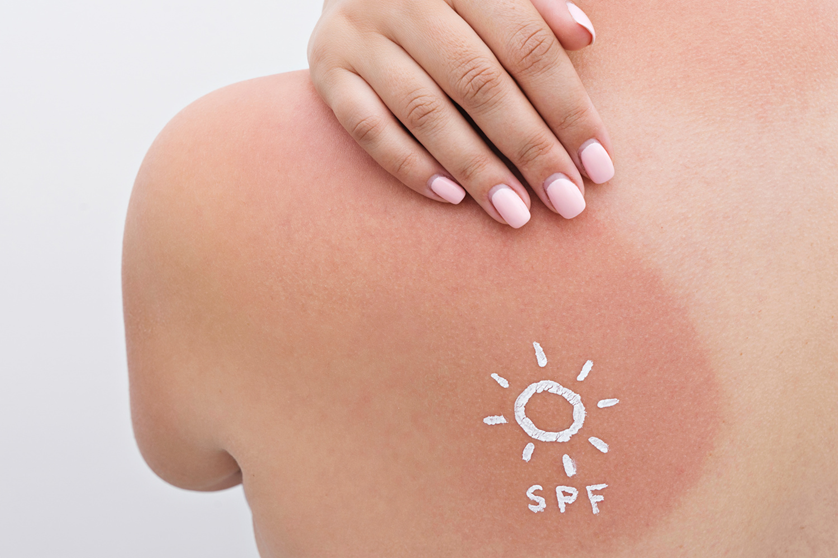
Understanding sunscreen SPF meaning is essential for protecting your skin from sun damage, premature aging, and pigmentation changes. Sun exposure remains one of the most significant contributors to visible aging and skin concerns such as uneven tone, rough texture, and fine lines.
Many patients invest heavily in skincare treatments designed to improve their skin, but without proper sun protection, the results of those treatments can be quickly compromised.
Learning what SPF in sunscreen actually means and how to choose the right level of protection can help maintain healthy skin while preventing long term damage caused by ultraviolet radiation.
All images used under license from Canva. © APT Medical Aesthetics, 2026. All rights reserved.
SPF stands for Sun Protection Factor. The number indicates how effectively a sunscreen protects the skin from ultraviolet B radiation, which is responsible for sunburn and contributes to skin damage.
The concept behind SPF is relatively simple.
If your skin normally begins to burn after about ten minutes of sun exposure, applying sunscreen with SPF 30 theoretically allows your skin to stay protected thirty times longer before burning occurs.
However, sunscreen protection does not work in a perfectly linear way. Many people assume that higher SPF numbers block dramatically more sunlight, but the difference between common SPF levels is smaller than most expect.
For example
• SPF 15 blocks about 93 percent of UVB radiation • SPF 30 blocks about 97 percent of UVB radiation • SPF 50 blocks about 98 percent of UVB radiation
While the increase in protection is incremental, higher SPF levels can still provide an added margin of safety, particularly for individuals who spend extended time outdoors.
Patients often begin researching sunscreen more seriously after learning how sun-damaged skin develops from years of ultraviolet exposure and why prevention is critical for long term skin health.
Ultraviolet radiation penetrates the skin and damages collagen fibers, pigment producing cells, and DNA within skin cells.
Over time, repeated exposure leads to cumulative skin damage known as photoaging.
Common signs of photoaging include
• uneven skin tone • brown spots and pigmentation • rough skin texture • fine lines and wrinkles • loss of elasticity
These changes often appear gradually, which is why many people do not realize how much sun exposure contributes to visible aging.
Patients frequently begin exploring treatments after noticing these concerns and learning how pigmentation and dark spots develop after years of sun exposure.
Using sunscreen consistently is one of the most effective ways to slow this process and protect the skin from long term damage.
All images used under license from Canva. © APT Medical Aesthetics, 2026. All rights reserved.
One of the most common questions patients ask is whether there is a meaningful difference between SPF 30 and SPF 50.
The difference in UVB protection is relatively small but still significant.
SPF 30 blocks approximately 97 percent of UVB radiation, while SPF 50 blocks approximately 98 percent.
Although this may seem like a minor difference, the additional protection can be helpful for individuals with sensitive skin, those who spend long periods outdoors, or those prone to pigmentation.
However, it is important to understand that no sunscreen blocks all ultraviolet radiation.
Even with high SPF products, some UV rays still penetrate the skin.
Patients often learn this after reading about the early signs of sun damaged skin and how cumulative UV exposure contributes to photoaging.
Many people assume that applying sunscreen completely protects the skin from all sun damage.
In reality, sunscreen primarily protects against UVB radiation, which causes sunburn.
Ultraviolet A radiation penetrates deeper into the skin and contributes significantly to premature aging and collagen breakdown.
This is why dermatologists recommend broad spectrum sunscreen that protects against both UVA and UVB rays.
Broad spectrum protection helps prevent
• collagen degradation • pigmentation changes • uneven skin tone • premature wrinkles
Even with broad spectrum protection, sunscreen should be combined with other protective habits such as wearing hats, seeking shade, and avoiding peak sun hours.
All images used under license from Canva. © APT Medical Aesthetics, 2026. All rights reserved.
Choosing the right SPF depends on your lifestyle, environment, and skin type.
For most people, dermatologists recommend using sunscreen with at least SPF 30 for daily protection.
Individuals who spend significant time outdoors or have very fair skin may benefit from higher SPF levels such as SPF 50.
However, the effectiveness of sunscreen depends heavily on how it is applied.
Many people apply far less sunscreen than necessary.
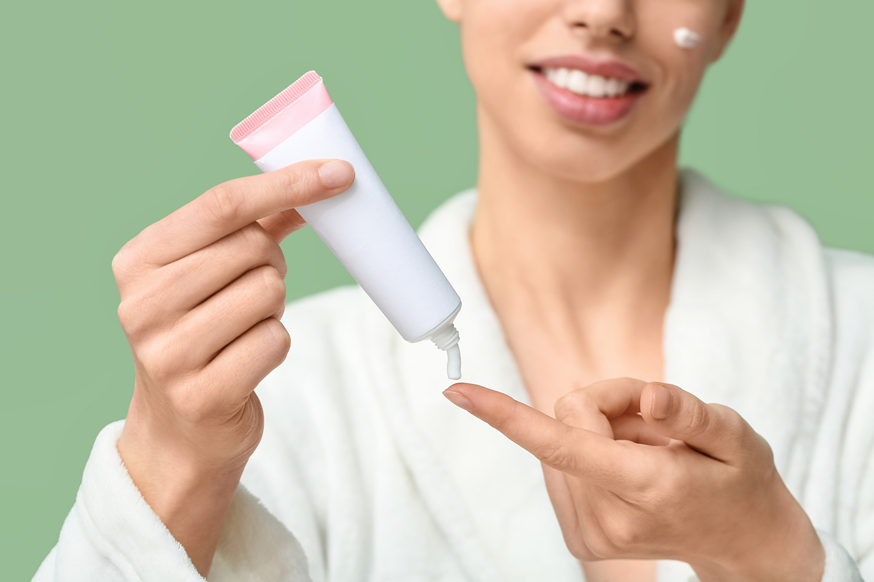
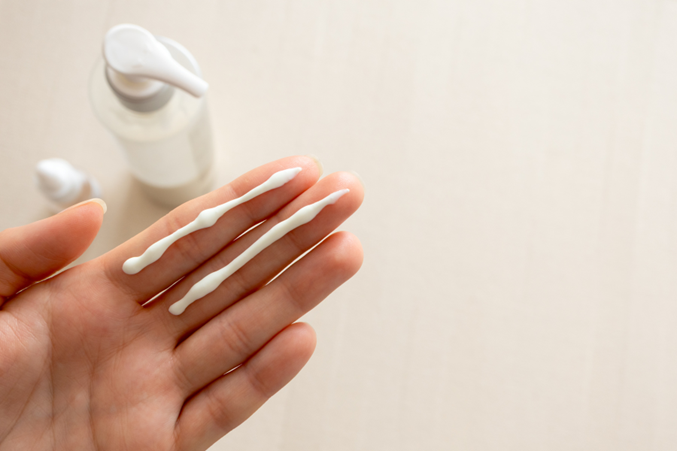
To achieve the labeled SPF protection, approximately a teaspoon of sunscreen should be used for the face and neck.
Reapplication every two hours is also essential when spending time outdoors.
Patients who invest in professional skin treatments often become more diligent about sun protection after learning how laser skin resurfacing treatments improve texture and tone but require careful sun protection afterward.
A patient once visited our clinic frustrated with persistent pigmentation on her cheeks.
She explained that she had undergone several treatments but noticed that the spots gradually returned over time.
During our consultation, we discussed her daily skincare routine and discovered that sunscreen was not consistently part of it.
She assumed that using sunscreen occasionally during the summer months was sufficient.
However, ultraviolet exposure occurs year round, even on cloudy days.
After incorporating daily broad spectrum sunscreen and continuing her treatment plan, her pigmentation became significantly easier to manage.
Stories like this are common because many patients underestimate how powerful daily sun protection can be in preserving skin health.
Sunscreen plays a critical role in maintaining the results of many aesthetic treatments.
Procedures designed to improve pigmentation, texture, or collagen production often make the skin temporarily more sensitive to ultraviolet radiation.
Without proper sun protection, the improvements achieved through treatment can be compromised.
Patients undergoing procedures often learn about sun protection when researching how Clear And Brilliant laser treatments improve skin texture while requiring diligent sunscreen use afterward.
Similarly, individuals receiving light based treatments frequently discover how BBL laser technology targets pigmentation and sun damage but works best when paired with consistent sun protection.
Incorporating sunscreen into daily skincare routines helps protect the investment patients make in professional treatments.
All images used under license from Canva. © APT Medical Aesthetics, 2026. All rights reserved.
SPF stands for Sun Protection Factor and indicates how effectively a sunscreen protects the skin from ultraviolet B radiation.
SPF 30 blocks about 97 percent of UVB radiation while SPF 50 blocks approximately 98 percent. Higher SPF provides slightly greater protection.
No sunscreen blocks all ultraviolet radiation. Broad-spectrum sunscreen protects against both UVA and UVB rays but additional sun protection measures are still recommended.
Most dermatologists recommend at least SPF 30 for everyday use, with higher SPF levels beneficial for extended sun exposure.
Many people search for advanced anti aging treatments hoping to improve their skin. They invest in serums, professional treatments, and skincare routines designed to restore brightness, smooth texture, and reduce the appearance of fine lines. While these treatments can play an important role in improving skin quality, one of the most powerful tools for maintaining youthful skin is much simpler than most people expect.
Daily sun protection.
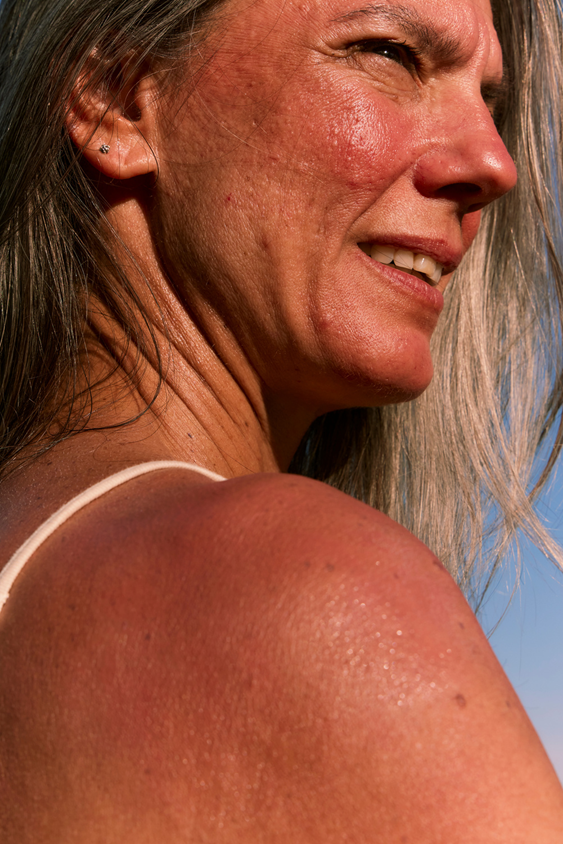
Consistent sunscreen use is one of the most effective ways to prevent the visible signs of aging before they begin. Ultraviolet radiation from the sun is responsible for a significant portion of premature skin aging, a process often referred to as photoaging. When UV rays penetrate the skin, they damage collagen fibers, accelerate pigmentation changes, and weaken the skin’s natural structure. Over time, this leads to concerns such as uneven skin tone, rough texture, fine lines, and loss of elasticity.
Understanding sunscreen SPF meaning allows individuals to make informed decisions about how to protect their skin from the damaging effects of ultraviolet radiation. When sunscreen is applied regularly and correctly, it helps shield the skin from UV exposure that contributes to collagen breakdown and pigment formation. This simple daily habit can significantly slow the development of common aging concerns and help preserve smoother, healthier looking skin.

All images used under license from Canva. © APT Medical Aesthetics, 2026. All rights reserved.
Consistent sunscreen use can help prevent pigmentation, slow collagen breakdown, and maintain the results of professional skin treatments. Many aesthetic procedures, such as laser treatments and skin rejuvenation therapies, work by improving skin tone, stimulating collagen production, and addressing sun-related damage. Without proper sun protection, however, ultraviolet exposure can quickly undo these improvements. Sunscreen helps protect the skin after treatment and supports long-term results by reducing the risk of further damage.
Daily SPF is not only beneficial during the summer months or while spending time outdoors. Ultraviolet rays are present year-round and can penetrate through clouds and windows, meaning that regular protection is important even on overcast days or during routine daily activities. Incorporating sunscreen into your morning skincare routine is one of the most effective ways to protect the skin from environmental damage while preserving its overall health and appearance.
All images used under license from Canva. © APT Medical Aesthetics, 2026. All rights reserved.
At APT Medical Aesthetics in Oakville, serving patients throughout the Greater Toronto Area, in Oakville, serving patients throughout the Greater Toronto Area, in Oakville, we believe that effective skin care combines advanced treatments with preventative habits that protect long-term skin health. Professional treatments can help address existing concerns and improve skin quality, while consistent sun protection helps maintain those results and prevent new damage from developing. This balanced approach allows patients to achieve healthier skin that looks brighter, smoother, and more resilient over time.
If you are concerned about sun damage, pigmentation, or uneven skin tone, our team can help assess your skin and recommend treatments designed to restore a brighter and healthier complexion. During a consultation, we can evaluate your skin condition, discuss your goals, and guide you toward the most effective treatments and skincare practices for maintaining long term skin health.
(905) 849-8646
✉️ info@aptmedspa.com
aptmedicalaesthetics.com
BACK TO ALL ARTICLESClear + Brilliant Laser Before and After
Contact APT Medical Aesthetics now. Whether you want to book a consultation, find out more about our services, or simply want to ask a few questions, we would love to hear from you!
 Oakville
1276A Cornwall Road,
Oakville ON, L6J 7W5

Contact APT Medical Aesthetics now. Whether you want to book an appointment, find out a bit more about our services, or want to simply ask a few questions, we would love to hear from you!

1276A Cornwall Road, Oakville ON, L6J 7W5

Monday – Friday: 9am – 6pm
Saturday & Sunday: Closed


APT Medical Aesthetics Ltd. is world-class private complete skin care clinic in the Greater Toronto Area of Ontario, serving Oakville. We
provide our treatments in a safe, trusting, comfortable environment. Our clinic is pleased to offer the most advanced and comprehensive skin care solutions
including Botox Cosmetic / Dysport / Xeomin, Dermal Filler, Laser Skin Resurfacing to clients across Ontario.
Contact us for more information or to book a free consultation appointment at our Oakville, or clinics. Our friendly team of beauty consultants
and aestheticians are available Monday to Thursday 9 am to 6 pm, Friday 9 am to 4 pm, Saturday & Sunday: Closed
We are open weekdays for class sessions and by request.
If you have any questions or concerns, please email us at info@aptmedspa.com
© Copyright 2023 APT Aesthetics Ltd. All Rights Reserved. | Terms of Use | Privacy Policy
Web Design & Digital Marketing by The Influence Agency

 (905) 849-8646
 info@aptmedspa.com


 905-849-8646