 Natural. Authentic.
Regenerative. Distinctly APT.
Natural. Authentic.Most people assume sun damage shows up after a long summer of beach days and vacations. But in reality, sun-damaged skin is often visible long before summer even begins.
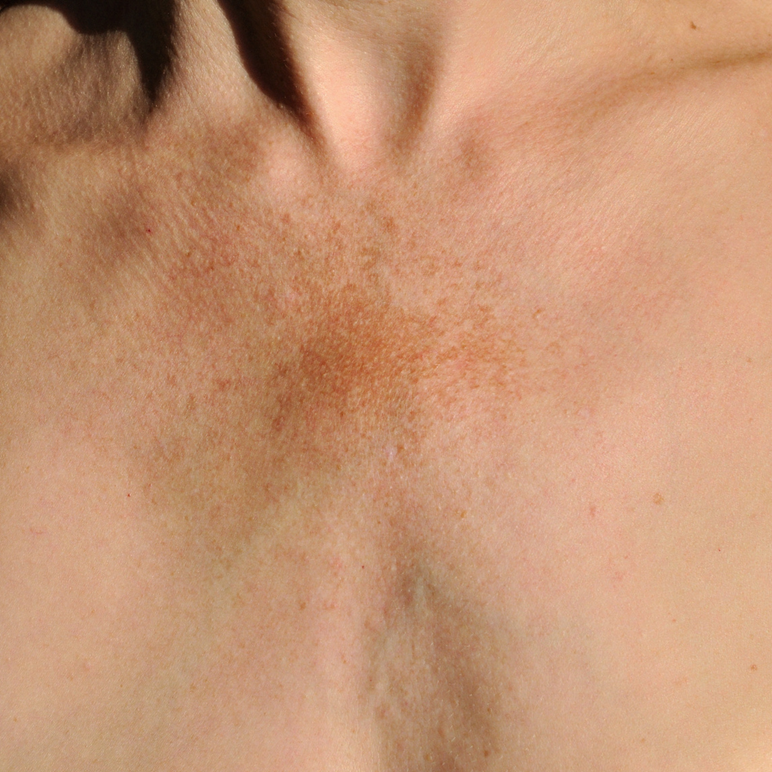
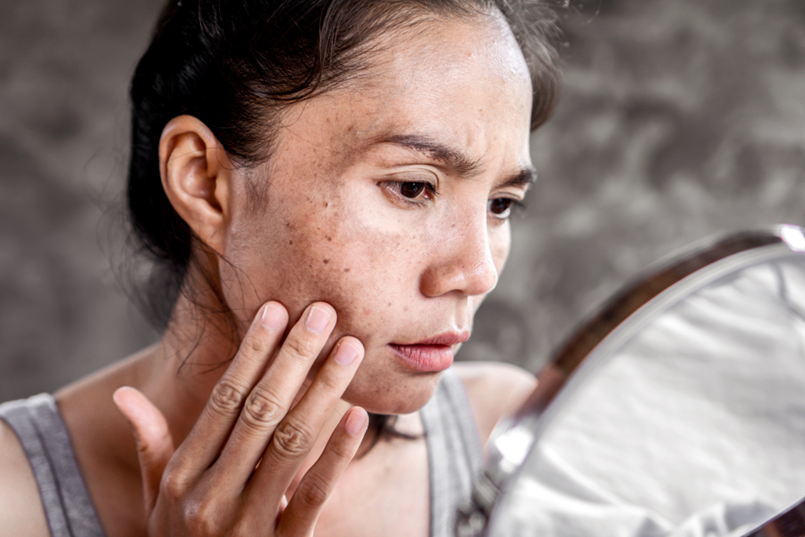
By the time spring arrives, many patients are already noticing subtle changes in their skin. Maybe your complexion looks dull. Perhaps your pores seem larger, fine lines appear deeper, or faint brown spots are starting to show up around the cheeks or temples.
These early changes are not random. They are classic signs of photoaging, the long-term impact of ultraviolet radiation on the skin.
Sun damage skin changes accumulate slowly over time, and winter does not protect you nearly as much as people think. UV rays reflect off snow, penetrate clouds, and continue affecting your skin year-round. By late winter or early spring, many patients begin noticing the cumulative effects.
The good news is that modern medical aesthetic treatments can dramatically improve sun-damaged skin when addressed early.
Understanding the signs of sun damage and knowing the best treatments available can help you restore healthy, radiant skin before summer arrives.
All images used under license from Canva. © APT Medical Aesthetics, 2026. All rights reserved.
Sun-damaged skin refers to structural changes in the skin caused by chronic exposure to ultraviolet radiation. Dermatologists refer to this process as photoaging.
Unlike natural aging, photoaging specifically occurs when UV rays penetrate the skin and damage collagen fibers, elastin, and pigment-producing cells.
Over time, these changes lead to the following.
• Uneven pigmentation • Brown spots or sun spots • Redness or visible capillaries • Rough skin texture • Enlarged pores • Fine lines and wrinkles • Loss of elasticity
Many patients assume aging alone is responsible for these changes, but research shows that up to 80 percent of visible facial aging is actually caused by sun exposure.
This means sun damage skin changes often appear earlier than expected, especially in areas that receive the most exposure such as the face, chest, neck, and hands.
Patients researching treatments often first notice these changes when reading about how pigmentation and dark spots develop from long-term UV exposure.
Sun damage rarely appears suddenly. Instead, it develops gradually through subtle changes that many people overlook.
Recognizing these early warning signs allows you to intervene sooner and achieve better treatment outcomes.
Uneven Skin Tone
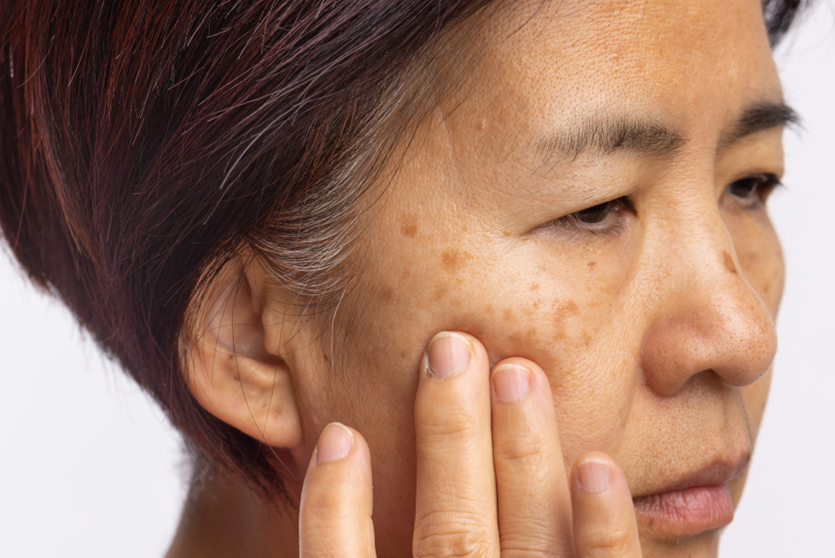
One of the first indicators of sun-damaged skin is uneven tone. You may notice your complexion no longer looks smooth or consistent. Areas of subtle discoloration can develop on the cheeks, forehead, or upper lip.
These pigment changes occur when UV radiation stimulates melanocytes to produce excess melanin.
Over time, this leads to sun spots and pigmentation irregularities.
All images used under license from Canva. © APT Medical Aesthetics, 2026. All rights reserved.
Rough Skin Texture
Photoaging weakens the skin’s natural ability to renew itself. As damaged cells accumulate, the skin surface becomes rougher.
Patients often describe this as skin that feels less smooth or appears dull in certain lighting.
Texture changes are a common concern among patients researching uneven skin texture and how resurfacing treatments restore smoother skin.
Enlarged Pores
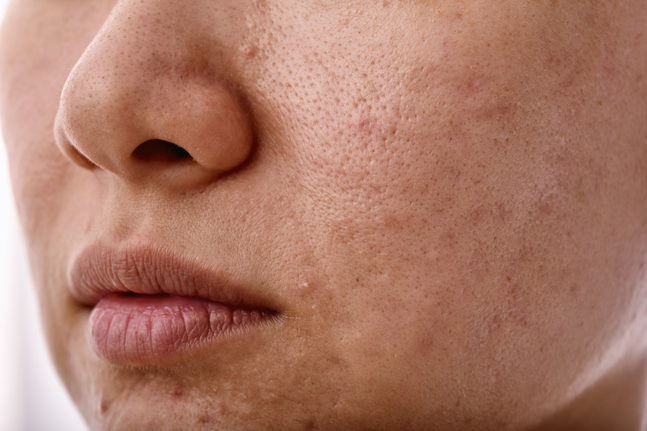
Sun damage can also weaken collagen structures that support the skin. As collagen breaks down, pores may appear larger and more visible.
Many patients assume enlarged pores are purely genetic, but collagen degradation from UV exposure plays a significant role.
Early Fine Lines
Fine lines around the eyes and mouth often develop earlier in individuals with chronic sun exposure.
UV radiation accelerates collagen breakdown, which reduces the skin’s ability to bounce back after facial movements.
Persistent Redness
Chronic sun exposure can damage small blood vessels near the skin’s surface, leading to redness or flushing that does not easily fade.
This condition is often mistaken for sensitive skin but may actually represent vascular sun damage.
Patients are often surprised when sun damage becomes noticeable in early spring.
This happens for several reasons.
First, UV exposure occurs throughout the year. Even during winter months, ultraviolet radiation continues penetrating the skin.
Second, the skin barrier becomes more compromised during winter due to cold weather and indoor heating. This makes underlying damage more visible.
Third, many people reduce sunscreen use during colder months, allowing additional UV exposure to accumulate.
By the time brighter spring lighting returns, sun damage that has been developing beneath the surface becomes more obvious.
This is why many patients begin researching what pigmentation actually is and why it becomes more noticeable over time when they first see discoloration in the mirror.
All images used under license from Canva. © APT Medical Aesthetics, 2026. All rights reserved.
Every spring, our clinic sees a familiar pattern.
A patient comes in saying something like the following.
“My skin just looks tired. I don’t know what happened over the winter.”
When we examine their skin more closely, we often see early signs of sun damage skin changes. There may be mild pigmentation across the cheeks, rough texture along the jawline, and slight collagen loss around the mouth.
In many cases, the patient is surprised because they believed they were protecting their skin.
But sunscreen habits, cumulative UV exposure, and lifestyle factors like driving, outdoor activities, and past sunburns all contribute to photoaging.
Once we explain what is happening beneath the surface, patients often feel relieved. These changes are extremely common and highly treatable when addressed early.
Modern aesthetic medicine offers several highly effective treatments for reversing signs of sun damage.
Treatment recommendations depend on the type and severity of damage present.
Broadband Light Therapy
Broadband light treatments are among the most powerful technologies for improving sun-damage skin concerns.
These treatments target pigment and vascular irregularities within the skin.
By delivering precise wavelengths of light, BBL treatments break down excess pigment while stimulating collagen production.
Patients often research BBL Forever Young treatments and how they target sun damage and pigmentation when exploring advanced photorejuvenation options.
Over a series of treatments, the skin becomes clearer, brighter, and more even in tone.
Laser Skin Resurfacing
Laser treatments work by removing damaged outer skin layers and stimulating new collagen formation.
One popular treatment option is fractional laser resurfacing.
Patients researching advanced resurfacing often explore Clear and Brilliant laser treatments for improving tone and early signs of aging because these treatments offer a gentle yet effective way to refresh the skin.
Laser technology can improve the following.
• Sun spots • Uneven texture • Fine lines • Dull complexion
Medical Grade Chemical Peels
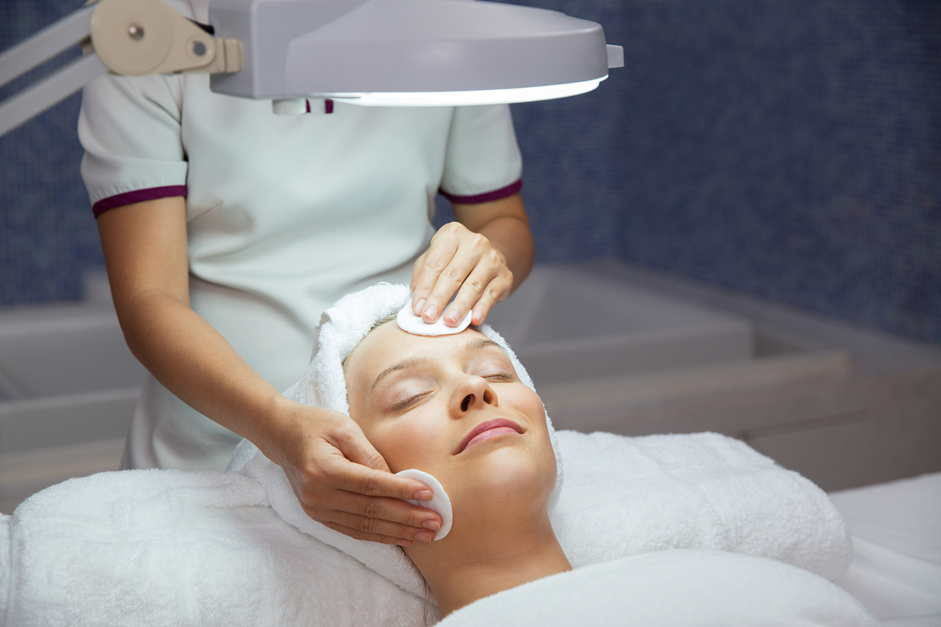
Chemical peels help remove damaged surface cells and accelerate skin renewal.
By encouraging the skin to regenerate more efficiently, peels can improve pigmentation and restore brightness.
Many patients exploring treatment options first learn about how medical grade chemical peels help improve pigmentation and texture concerns when researching sun damage.
Peels are often combined with laser or light therapies for enhanced results.
All images used under license from Canva. © APT Medical Aesthetics, 2026. All rights reserved.
Collagen Stimulating Treatments
Sun damage weakens the collagen network within the skin. Treatments that stimulate collagen production help restore firmness and resilience.
Energy-based treatments such as radiofrequency microneedling can tighten skin while improving texture.
Patients concerned about laxity sometimes discover how treatments like Morpheus8 stimulate collagen and improve early skin laxity while researching anti-aging options.
While complete reversal of sun damage is not always possible, many visible changes can be dramatically improved with the right treatment plan.
Successful treatment typically involves a combination of approaches.
Professional treatments target existing damage while medical grade skincare helps protect and maintain results.
Key strategies include the following.
• Using broad spectrum sunscreen daily • Incorporating antioxidants into skincare routines • Undergoing professional treatments that stimulate collagen • Addressing pigmentation early before it becomes deeper
Patients who begin treatment earlier often see faster and more noticeable improvements because the skin’s regenerative capacity remains strong.

All images used under license from Canva. © APT Medical Aesthetics, 2026. All rights reserved.
Treating sun damaged skin is only one part of the process. Preventing further damage is equally important.
Daily sunscreen use remains the most effective anti-aging strategy available.
Even short periods of unprotected sun exposure can trigger pigment production and collagen breakdown.
Other preventative measures include the below.
• Wearing protective hats and sunglasses • Using medical grade antioxidant serums • Avoiding peak UV hours when possible • Scheduling regular skin assessments
Combining prevention with professional treatments allows patients to maintain healthier skin for years to come.
All images used under license from Canva. © APT Medical Aesthetics, 2026. All rights reserved.
What Are The Earliest Signs Of Sun Damaged Skin
The earliest signs often include uneven tone, dullness, enlarged pores, mild pigmentation, and fine lines around the eyes.
These subtle changes often appear years before deeper wrinkles develop.
Can Sun Damage Be Reversed
While complete reversal may not always be possible, many visible signs of sun damage can be significantly improved with treatments like lasers, BBL therapy, chemical peels, and collagen-stimulating procedures.
What Is Photoaging
Photoaging refers to premature aging caused by chronic ultraviolet exposure.
It includes pigmentation, wrinkles, laxity, and texture changes that develop earlier than natural aging alone.
What Are The Best Treatments For Sun Damage
The best treatments often include broadband light therapy, laser resurfacing, chemical peels, and collagen stimulation treatments.
A consultation helps determine the most effective treatment plan for your skin type and concerns.
Many people assume skin aging happens suddenly, but in reality it develops gradually through cumulative exposure to sunlight.
If you have noticed subtle changes in your skin tone, texture, or brightness, you may already be seeing the early effects of photoaging.
Addressing these concerns early can dramatically improve your long-term skin health and help restore a smoother, more even complexion.
At APT Medical Aesthetics in Oakville, serving patients throughout the Greater Toronto Area, in Oakville, serving patients throughout the Greater Toronto Area, in Oakville, our team provides advanced skin assessments and customized treatment plans designed to target sun damaged skin safely and effectively.
If you are starting to notice signs of sun damage or want to explore preventative treatments before summer begins, we invite you to schedule a consultation with our experienced team.
(905) 849-8646
✉️ info@aptmedspa.com
aptmedicalaesthetics.com
BACK TO ALL ARTICLESClear + Brilliant Laser Before and After
Contact APT Medical Aesthetics now. Whether you want to book a consultation, find out more about our services, or simply want to ask a few questions, we would love to hear from you!
 Oakville
1276A Cornwall Road,
Oakville ON, L6J 7W5

Contact APT Medical Aesthetics now. Whether you want to book an appointment, find out a bit more about our services, or want to simply ask a few questions, we would love to hear from you!

1276A Cornwall Road, Oakville ON, L6J 7W5

Monday – Friday: 9am – 6pm
Saturday & Sunday: Closed


APT Medical Aesthetics Ltd. is world-class private complete skin care clinic in the Greater Toronto Area of Ontario, serving Oakville. We
provide our treatments in a safe, trusting, comfortable environment. Our clinic is pleased to offer the most advanced and comprehensive skin care solutions
including Botox Cosmetic / Dysport / Xeomin, Dermal Filler, Laser Skin Resurfacing to clients across Ontario.
Contact us for more information or to book a free consultation appointment at our Oakville, or clinics. Our friendly team of beauty consultants
and aestheticians are available Monday to Thursday 9 am to 6 pm, Friday 9 am to 4 pm, Saturday & Sunday: Closed
We are open weekdays for class sessions and by request.
If you have any questions or concerns, please email us at info@aptmedspa.com
© Copyright 2023 APT Aesthetics Ltd. All Rights Reserved. | Terms of Use | Privacy Policy
Web Design & Digital Marketing by The Influence Agency

 (905) 849-8646
 info@aptmedspa.com


 905-849-8646